What an Architect Actually Does (and Why It Pays for Itself)
August 10, 2026 · 6 min read · Environmental Architecture LLC
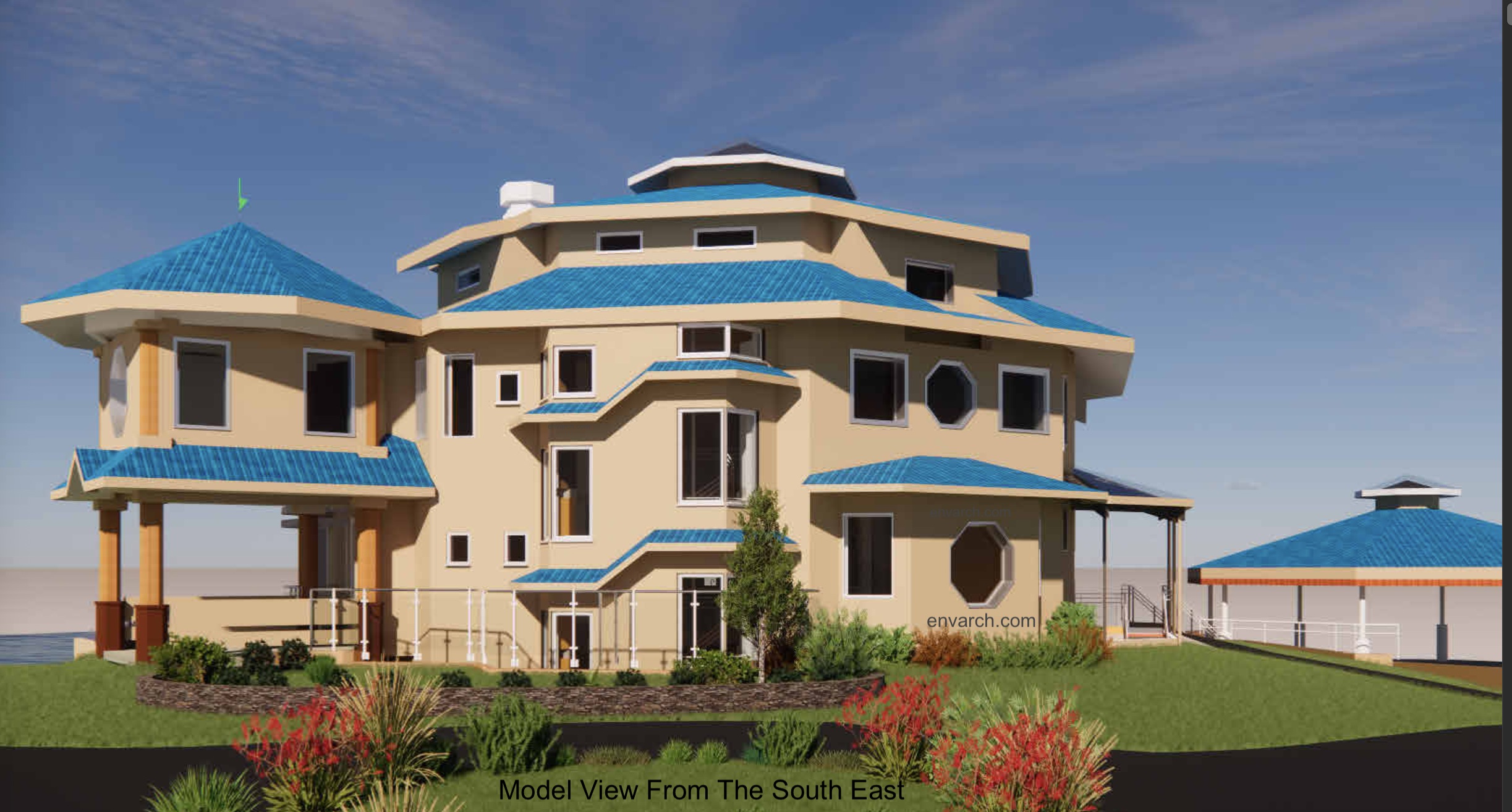
Ask most people what an architect does and they'll say 'draws the plans.' That's a bit like saying a surgeon 'makes incisions.' The drawings are the visible artifact, but they're the output of a much larger service — one that, on a well-run project, saves more than it costs.
Before any drawing happens
The first thing an architect does is tell you what you can build. Zoning, setbacks, height limits, lot coverage, historic overlays, HOA rules, utility easements — the constraints that define your project's real envelope. Discovering these after design has started is expensive. Discovering them after you've bought a lot or signed a construction contract can be catastrophic.
The second thing is translating how you live into a program: not 'three bedrooms' but a real brief — how the morning routine flows, where the mess accumulates, which rooms you actually use. Good design is the answer to a well-asked question.
Design is a decision-making machine
During design, an architect makes — and helps you make — hundreds of decisions in the right order, while changes are still free. A wall moved on paper costs nothing. The same wall moved during framing costs thousands. Every hour of design retires risk from construction.
Drawings also create competition. A complete, coordinated set of construction documents lets multiple builders bid the same scope, line for line. Incomplete drawings produce incomparable bids and, later, change orders.
During construction
Once building starts, the architect is the owner's professional advocate: reviewing submittals, answering the contractor's questions, visiting the site, and confirming that what gets built matches what was designed. Builders respect a set of drawings backed by someone who will notice deviations.
Permitting, engineering coordination, energy code compliance, and the thousand small judgment calls that arise in the field all route through one accountable person. That accountability — not the drawings themselves — is the heart of the service.
The honest math
Architectural fees on a custom home typically run a meaningful percentage of construction cost, and it's fair to ask whether that's worth it. Consider the other side of the ledger: a design that builds efficiently, bids competitively, avoids mid-construction changes, and produces a house that appraises well and lives beautifully. In our experience, the fee is not the cost. The fee is the insurance.