How to Budget a Remodel Without Lying to Yourself
June 30, 2026 · 7 min read · Environmental Architecture LLC
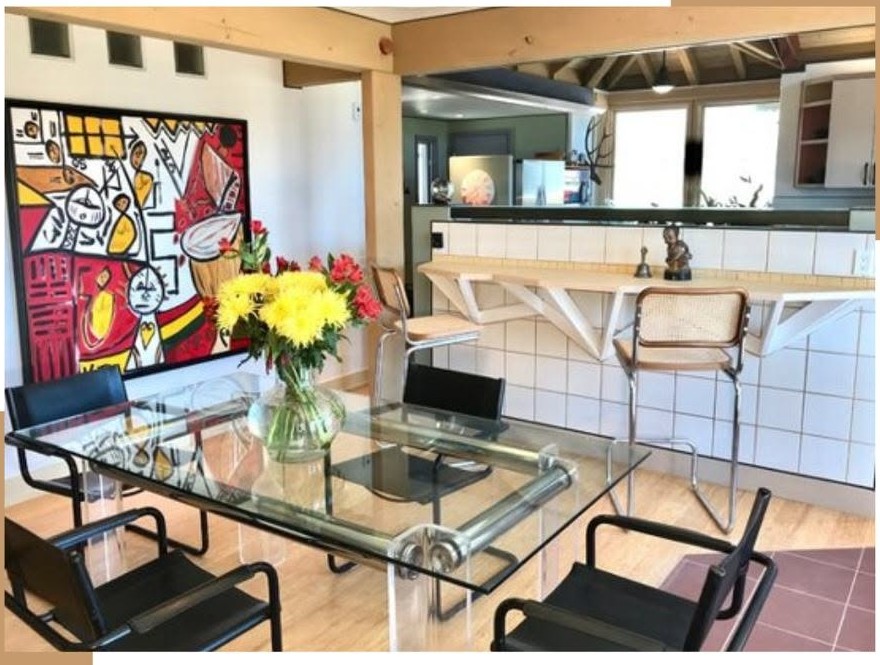
Every remodel budget starts with a number the homeowner found on the internet, and that number is almost always wrong — usually low, occasionally absurdly so. Square-foot averages blur together projects of wildly different complexity, in different markets, from different years. Here's a more honest way to build a budget.
Start with ranges, not a number
In the current Denver market, thoughtful whole-house remodels commonly run several hundred dollars per square foot of affected area; kitchens and primary suites, as the most system-dense rooms, cost the most per square foot; additions frequently cost more per square foot than new construction because of the surgical work of tying into an existing structure.
Treat any range as a hypothesis, not an answer. The only number that matters comes from pricing your actual design — which is exactly why design comes first.
The costs nobody puts in the headline
Construction cost is not project cost. A complete budget includes design and engineering fees, permits and review fees, surveys, utility work, and temporary housing if you'll move out. Then add contingency — 10% on new construction, 15–20% on remodels, because opening walls in an old house is archaeology.
The three classic Denver surprises: knob-and-tube or undersized electrical in pre-war homes, foundation and drainage issues in homes built on the city's expansive clay soils, and latent water damage around old windows and roofs. None of these are reasons not to remodel; all of them are reasons to carry contingency.
Design-first budgeting
The reliable path runs in stages: define the scope with your architect, develop the design far enough to price, get real bids from builders on identical documents, and only then commit. When a project must shrink to meet a budget, it shrinks on paper — where it's free — instead of in the field, where it's painful.
A final word of encouragement: a well-designed remodel in a strong Denver neighborhood has historically been one of the soundest investments a homeowner can make. The goal isn't the cheapest project. It's the project whose value — financial and daily — outlasts its cost.