Sustainable, Energy-Efficient Building in Colorado: Where to Start
June 2, 2026 · 7 min read · Environmental Architecture LLC
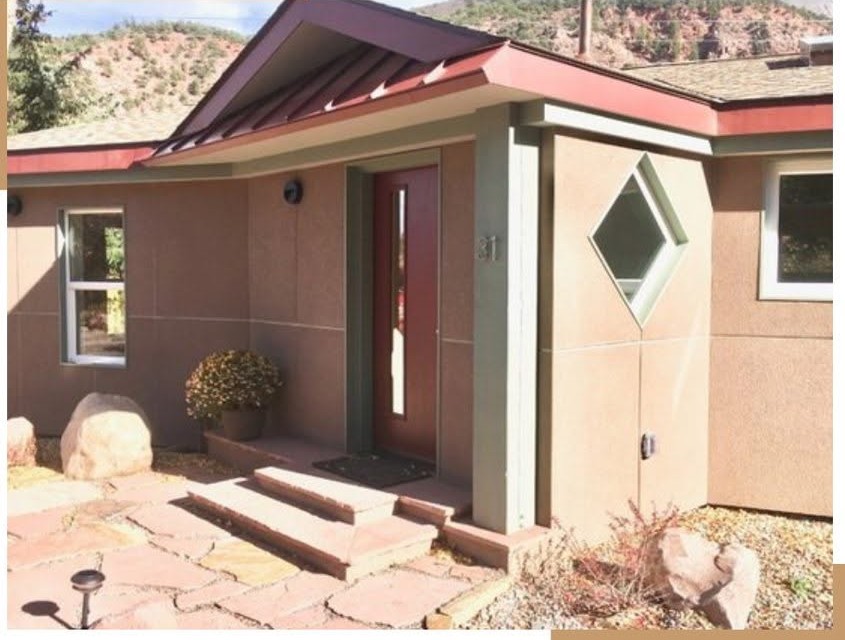
Colorado is one of the best places in the country to build an energy-efficient home. Three hundred days of sunshine, low humidity, and big day-night temperature swings all reward good design — and punish thoughtless glass and leaky envelopes. The path to a high-performance home follows a strict hierarchy, and the order matters.
First: reduce demand
The cheapest energy is the energy a building never needs. Orientation is free at the design stage: main living spaces facing south, glass shaded by properly sized overhangs, minimal glazing on the harsh west side. In Colorado's climate, a well-oriented, well-insulated, airtight home can cut heating and cooling demand dramatically before any technology enters the picture.
This is also where architecture and sustainability stop being separate conversations. The shape of the roof, the placement of windows, the depth of an overhang — these are design decisions and energy decisions at once, made in the first weeks of the project.
Second: electrify what's left
Once demand is low, meet it efficiently. Modern cold-climate heat pumps heat and cool Colorado homes effectively even at altitude and in deep winter, and heat-pump water heaters do the same for hot water. Add energy-recovery ventilation so a tight house still breathes fresh, filtered air — a genuine comfort upgrade along the Front Range's wildfire-smoke seasons.
Third: offset with solar
Only after the first two steps does solar sizing make sense — otherwise you're buying panels to power waste. A solar-ready roof (right orientation, unshaded, structurally prepared) costs little to design in; a full PV array sized to the home's reduced demand can bring annual net energy use to zero.
Local codes are pushing the same direction. Boulder requires net-zero-level performance on new homes; Denver's adopted energy code tightens steadily; and utility rebates and federal incentives meaningfully offset heat-pump and solar costs.
The payoff
A high-performance home costs somewhat more to build and dramatically less to operate — but the daily experience is the real return: even temperatures, quiet interiors, clean air, and utility bills that stop being a topic of conversation. Comfort, it turns out, is measurable.